Tesla's 2027 Self-Driving Milestone Limited to Small Robotaxi Zones
Supervised driving in customer vehicles is now expected in mid-2027, but only within specific areas where Tesla operates its robotaxi network.
By Jian Chen ·
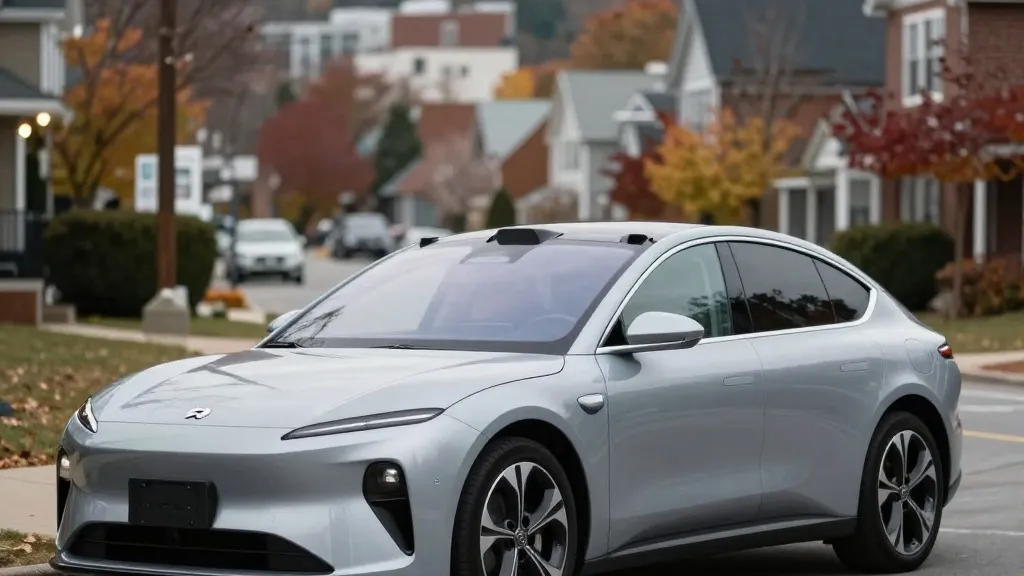
The landscape of autonomous vehicle deployment is shifting as major automakers navigate complex regulatory and technical hurdles. On the company's Q3 2026 earnings call, Tesla officials provided a specific timeline for the next phase of its Full Self-Driving program, offering investors a clearer but more constrained picture of the future.
The core update involves the arrival of unsupervised driving capabilities for customer-owned vehicles, a feature the company has teased for years. However, the new schedule places this milestone in the second quarter of 2027. This date serves as the latest target in a long series of projections regarding when the technology would reach full maturity for everyday use.
A critical distinction was made by Ashok Elluswamy, the company's head of AI, regarding how this feature will function. He explained that owners will not receive a simple software update that allows their cars to drive autonomously anywhere. Instead, the system works by integrating the customer's vehicle into Tesla's managed Robotaxi fleet. This means the car will only drive itself without supervision within the specific geofences where the Robotaxi service is already active.
This approach marks a significant departure from the marketing narrative presented to early adopters. For nearly a decade, the promise was that a software update would eventually allow the car to drive itself to any destination. In July 2025, the CEO told investors that unsupervised use would be available in certain geographies by the end of that year. A year prior, he expressed confidence that the technology would be ready the following year. These earlier statements suggested a broad, nationwide capability rather than a limited fleet-based service.
The current operational scope of the Robotaxi service is modest. It runs in six U.S. metropolitan areas, but the service areas cover only small slices of those cities. In Miami, the zone is largely restricted to West Miami and a strip toward Doral. Orlando and Tampa launched with similarly limited geofences in July. Within these zones, the vehicles stick to low-speed routes and generally avoid highways and complex traffic scenarios.
The Bay Area presents a different challenge due to local regulations. California rules require a safety driver in every car because Tesla has not released the data required for a level 2 autonomous system classification to the state DMV. Consequently, the service there is not yet unsupervised. This regulatory gap highlights the technical and bureaucratic hurdles that remain before a wider rollout can occur.
Fleet size and mileage metrics offer further context. Tesla reported that the Robotaxi program reached nearly 2 million cumulative unsupervised miles by the end of the third quarter. This figure comes one month after the Cybercab joined the Austin fleet. While third-party tracking showed only dozens of fully driverless Teslas on the road this spring, competitors like Waymo have already surpassed 3 million miles and were operating in both Orlando and Tampa before Tesla's entry.
Looking ahead, the company attributes its cautious approach to safety constraints. Elluswamy indicated that resolving these safety issues is the primary bottleneck and that he expects them to be addressed by next year. However, he acknowledged that the company is making estimates rather than stating certainties. For New England drivers and other customers, this means the promise of hands-free commuting remains tied to Tesla's specific operational zones, rather than a universal capability for the vehicle itself.
Source: Electrek