Tesla Q3 2026 Results Show Margin Recovery Amid Falling Profits
Tesla reported stable revenue and improved auto margins this quarter, but heavy spending on AI and manufacturing drove a significant drop in overall net income.
By Aever Bundji ·
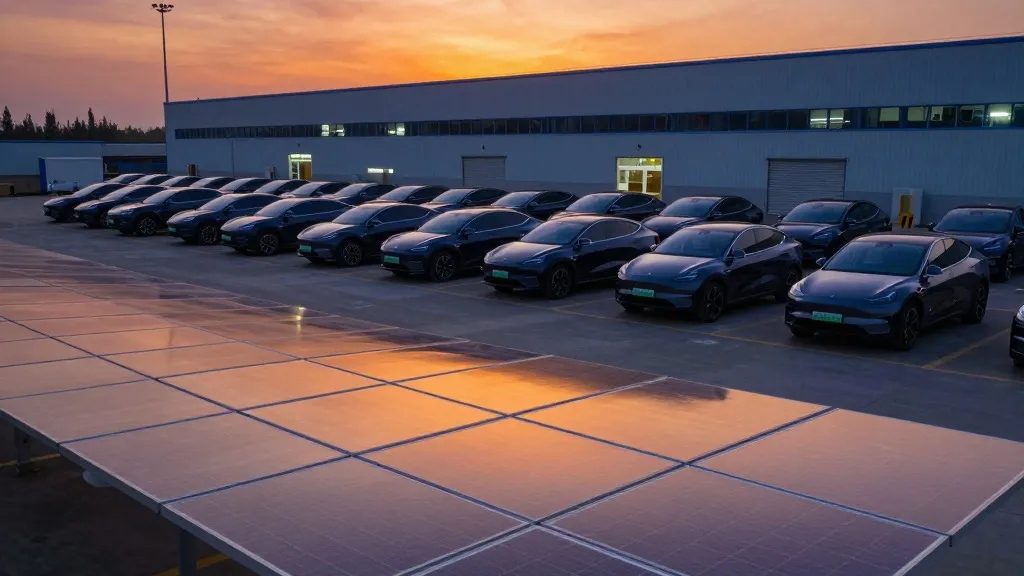
Tesla’s latest financial report reveals a company in transition, balancing immediate profitability against massive future investments.
The company released its third quarter results after the market closed on Tuesday, October 21, 2026. Analysts had predicted a flat quarter, expecting revenue around $28 billion and earnings per share of forty-five cents. Tesla met those revenue expectations exactly, posting $28.05 billion. However, the earnings per share figure of forty-eight cents beat the consensus estimate. This result marks a recovery from the second quarter, when margins were much lower and expectations were missed by a wide margin.
The path to this quarter has been volatile. In the second quarter of 2026, operating margin fell to just 1.4 percent. This was a sharp drop that signaled significant financial pressure. The company had also seen its operating income decline in previous periods. Investors were watching closely to see if Tesla could stabilize its core automotive business before diving deeper into new ventures. The third quarter results show that while the core business is stabilizing, the new ventures are consuming substantial capital.
The financial details show a mixed picture. Total gross margin improved to 19.6 percent, up from 18.0 percent a year ago. This recovery was driven by a better mix of products and regions, along with increased revenue from Full Self-Driving subscriptions. Automotive gross margin, excluding regulatory credits, rose to 18.1 percent. This is a positive trend, though it remains below the 19.2 percent recorded in the first quarter. However, operating income fell by 56 percent year over year to $718 million. This decline is primarily due to a 39 percent increase in operating expenses, which reached $4.78 billion.
The spike in expenses is largely driven by research and development costs. This category jumped 69 percent to $2.76 billion. Tesla is spending heavily on its Super Intelligence project, the Optimus robot, and the Cybercab. Stock-based compensation also rose significantly to $1.17 billion, reflecting the 2025 CEO pay package. Capital spending more than doubled to $4.73 billion. This level of investment has reduced free cash flow to $1.53 billion, down from $3.99 billion in the same period last year. Despite this, the company ended the quarter with $45.4 billion in cash and investments.
Revenue performance varied across business segments. Energy storage revenue fell by 16 percent to $2.88 billion. Tesla attributed this drop to refunds related to tariffs, even though deployment volumes increased by 10 percent. The energy segment saw its gross margin jump to 33 percent, but total gross profit still declined slightly. In contrast, the services and other segment was a strong performer. Revenue in this area grew by 33 percent to $4.61 billion. Gross profit in this segment hit a record $734 million, driven by sales of charging, insurance, and parts.
Tesla continues to cite battery supply as the main constraint on vehicle sales. The company stated that battery availability limited its ability to increase auto volumes. It reported the largest backlog for passenger vehicles in four years. Deliveries were down 2 percent year over year, with specific models like the Cybertruck and Semi seeing larger declines. Inventory levels decreased to 11 days of supply, down from 15 days in the previous quarter. Average selling prices also continued to fall, a trend that is unusual for a manufacturer facing supply constraints.
On the technology front, active Full Self-Driving subscriptions reached 1.74 million. This figure includes upfront purchases, which aligns with the definition used in the CEO's compensation package. The Robotaxi service has accumulated nearly 2 million unsupervised miles. The Cybercab joined the Austin fleet one month before the end of the quarter. These metrics indicate steady progress in autonomy, though they are still in the early stages of commercial deployment.
Looking ahead, Tesla faces a significant challenge in capital spending. The company has spent $13.01 billion in the first nine months of 2026. Management had guided for more than $25 billion in total spending for the year. To reach that target, Tesla would need to spend roughly $12 billion in the fourth quarter alone. This would be more than double its highest spending quarter so far. The current spending pace suggests that the 2026 capital plan may slip into 2027, or that spending will accelerate sharply in the coming months.
The earnings call with management took place at 5:30 p.m. ET. The full shareholder deck is available on the company's investor relations site. The next few months will be critical for Tesla as it tries to balance its investment in future technologies with the need to maintain profitability in its core automotive business. The market will be watching closely to see if the company can sustain its margin recovery while managing its heavy spending obligations.
Source: Electrek