Google's New Rule Changes Gmail Data Policy
Google has altered its terms to allow user data from specific services to be used for ad targeting if certain AI personalization features are enabled.
By Gabriela Flores ·
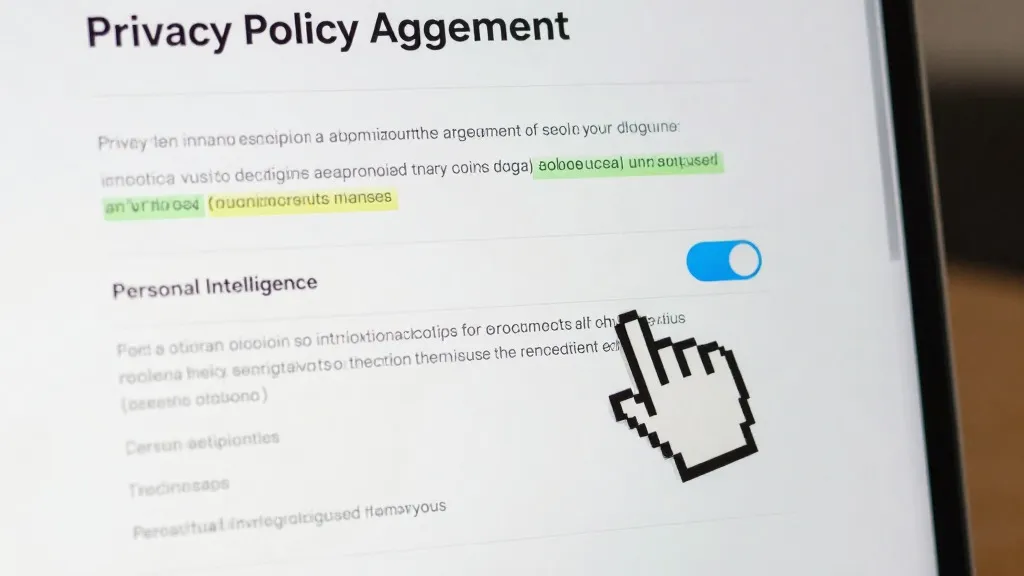
Google has quietly changed how it handles your personal data if you use specific AI-powered tools. The company updated its privacy policy to remove a longstanding restriction regarding the content found within your Gmail inbox, Google Drive, and Google Photos. While the company previously guaranteed that information would not be used to create targeted advertisements, the terms were modified earlier this month to include a significant exception regarding personalized experiences.
The update, which was made public on October 16, alters the wording of the company's agreement regarding user privacy. The policy now states that data from these services will not be used for advertising “unless you choose to make data from these services available to other Google services that support personalized ads.” This shift in policy directly impacts users who have enabled certain AI features designed to provide tailored assistance based on their personal history.
The timeline for this change began with the launch of advanced AI capabilities that require access to a user's broader digital footprint to function correctly. Features such as AI Mode within Search or tools within Gemini Apps rely on specific settings to access information across different Google applications. This access is designed to help these tools provide more accurate responses and personalized recommendations by understanding the user's context.
However, under the new terms, enabling these capabilities for better AI responses also changes the status of that data regarding advertising. If a user connects their Gmail, Drive, or Photos to these AI tools to improve recommendations, that same content may now be utilized to determine which advertisements are shown to the user. The policy update links the provision of a personalized AI experience with the generation of personalized ad content.
Despite this expanded access for ad targeting, there are specific boundaries in place regarding what advertisers can actually see. The company has clarified that external advertisers do not receive access to the actual contents of your Gmail, Drive, or Photos, nor do they receive personally identifying details such as names or email addresses. Furthermore, advertisements will not be displayed based on sensitive categories, which include race, sexual orientation, religion, or health.
The updated policy explicitly outlines the mechanism behind these changes. It states that users may allow certain Google services to access data from other services, such as Workspace apps, in order to provide a more personalized experience. The policy further explains that, depending on user settings, the company may show personalized ads based on interests, activity, or personalized content. For example, if a user searches for a specific item, they may see advertisements for related equipment on other platforms like YouTube.
For users who wish to keep their data private from advertising profiles, the company has provided a way to opt out of this specific configuration. Users can choose to disconnect specific apps from Search’s Personal Intelligence features. Alternatively, the option to disable Personalized Recommendations entirely is available through the Search Services Personalization settings page. These controls allow users to determine the level of personalization they are comfortable with regarding their data.
Source: The Verge