Ukraine Pivots to New Satellite Systems as Starlink Reliability Wavers
European and Ukrainian officials are accelerating plans to reduce dependence on SpaceX's network after recent service interruptions and political concerns emerged.
By Ishani Kapalli ·
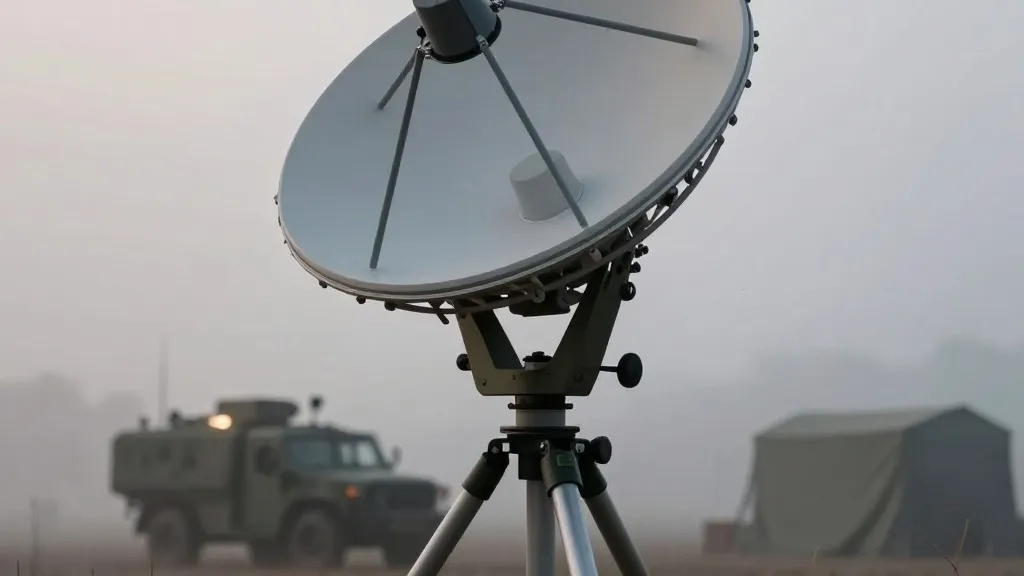
Ukraine is actively preparing to fight without relying on Elon Musk’s Starlink satellite service. The shift comes as the system’s reliability has faced scrutiny due to the CEO’s political moves and recent unexpected service disruptions. This development forces both Ukrainian forces and European allies to address a critical strategic gap in their communications infrastructure.
Starlink has been a cornerstone of Ukraine’s defense against Russia’s full-scale invasion. The network has supported high-speed internet and data streams for years. It has proven vital for both civilian life and military operations. The system allows for the remote control and guidance of drones. These drones are used for air defense and for striking Russian targets. The capability has significantly expanded the Ukrainian military’s operational reach.
The current situation creates urgent questions for Europe and Ukraine. They must determine how to proceed if the primary satellite network becomes unavailable. The reliance on a single commercial provider has been a strategic risk. That risk is now more apparent than ever. The need for alternative systems is no longer a long-term plan but an immediate necessity.
Starlink remains the world’s largest communications satellite network. It offers a unique combination of cost, availability, and ease of use. A representative from the Ukrainian defense company BlueBird Tech noted the system’s superiority. The hardware R&D head spoke anonymously for security reasons. They stated that Starlink offers some of the best satellite coverage available. There are virtually no competitors that match its practical benefits.
The main practical limitation of the current system is antenna positioning. Users must position the antenna to receive signals from the satellites. This requirement can be a challenge in certain field conditions. Despite this, the system has been indispensable. It has enabled the maintenance of vital communications during the conflict.
The United States government and European countries, including Poland and Germany, have financed the infrastructure. They paid SpaceX for tens of thousands of commercial Starlink terminals. These terminals were sent to Ukraine. The governments also covered the associated subscription fees. This financial support has been crucial in keeping the network operational for Ukrainian forces.
Ukraine also has access to a military-grade version of the service known as Starshield. The US government provided this access to the Ukrainian military. Ukrainian defense companies can test their technologies in cooperation with the military using Starshield. This dual-track approach has provided some redundancy, but the commercial Starlink service remains the backbone of daily operations.
As the political landscape shifts, the stability of the satellite service is under question. The recent disruptions have highlighted the vulnerability of depending on a single provider. European nations are now looking to diversify their options. The goal is to ensure that communications remain intact regardless of commercial or political factors.
Source: Ars Technica