Apple Doubles iPhone Duo Production Targets to Meet Surging Pre-Order Demand
New supply chain data reveals a significant manufacturing surge for the folding iPhone, aiming to clear backlogs that have already pushed initial delivery dates into next year.
By Priya Sharma ·
For New England consumers who secured an early slot in the queue for Apple’s first folding smartphone, the wait may be shorter than initially feared. While pre-orders opened with extended delivery estimates that stretched into late January, new supply chain intelligence suggests that Apple is aggressively expanding its manufacturing footprint to mitigate these delays. This shift signals that the initial confusion regarding whether long wait times were due to a supply bottleneck or genuine consumer enthusiasm has largely been resolved in favor of the latter.
The catalyst for this production ramp-up appears to be what Apple termed “extraordinary” demand. When pre-orders went live on Friday, the system immediately assigned extended shipping dates, with some customers seeing delivery windows push back several months. Although Apple has historically used similar language to describe launch-week sales for standard iPhones, the immediate slip in availability for the iPhone Duo prompted rapid analysis. The company also implemented a cap of two units per customer to limit scalping, a move that underscores the volume of orders coming through the system.
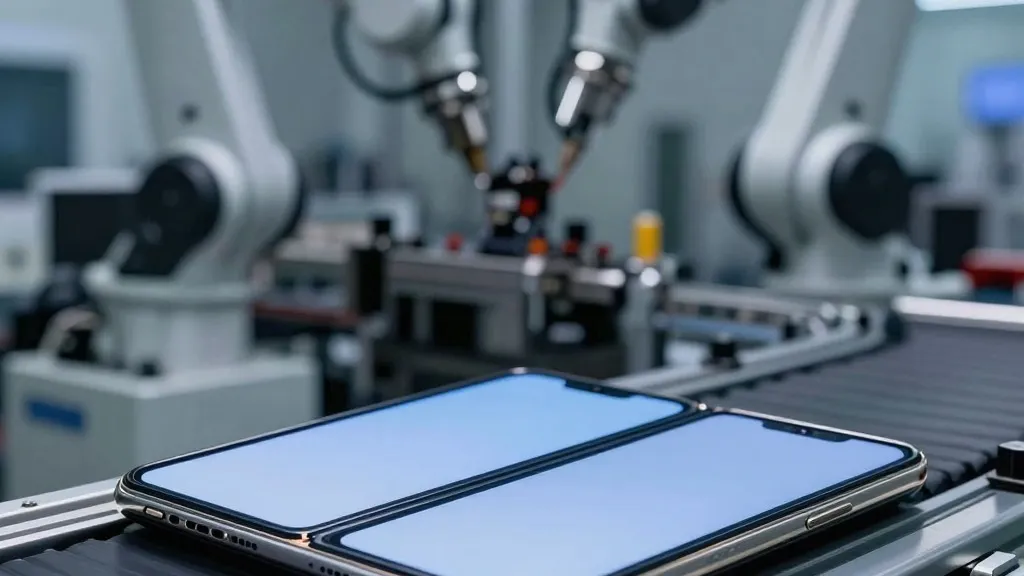
According to a report from DigiTimes, which cites sources within the supply chain, Apple has increased its order targets for the iPhone Duo by more than 40%. The adjustment reflects a strategic decision to meet sustained high demand rather than just a one-time launch spike. This production boost is directly correlated with the early customer experience, where some users who initially received late January dates began to see their estimated shipping times move forward as the manufacturing pipeline adjusted to the higher volume.
The scale of this expansion is substantial. Reports indicate that Apple’s shipment targets for the device have been raised from an initial projection of 9.7 million units to a new goal of 14 million units over the first 12 months. This represents a significant bet on the long-term viability of the form factor, suggesting that the company expects the folding iPhone to maintain strong sales momentum well beyond the initial launch period rather than seeing demand taper off quickly.
Beyond the hardware logistics, users are currently navigating a software ecosystem that is still adapting to the unique form factor. Early adopters have noted that third-party applications are not yet fully optimized for the device, a common friction point in the early weeks of any major hardware release. However, Apple maintains that the situation is improving rapidly as developers update their codebases to support the new interface and dual-panel layout.
Initial reviews, based on a week of usage, have provided a consistent snapshot of the user experience. App support remains a primary focus in these early assessments, identified as one of five key takeaways by reviewers. While the hardware capability is praised, the software integration is still catching up, a typical phase in the lifecycle of a new flagship device that requires time for the developer community to align with the new specifications.
Another point of discussion in the early reviews concerns the biometric security features. The iPhone Duo currently utilizes Touch ID, which some critics viewed as a step back from the Face ID technology found in previous standard models. However, this may not be the final word on the device's security architecture. A new report indicates that Apple is already testing prototypes for the iPhone Duo 2 that incorporate Face ID, suggesting that the company is actively addressing this user concern in the next iteration of the product.
As the production numbers scale up, the focus now shifts to how effectively Apple can distribute these units without further disrupting the supply chain. The increase in order volume is a direct response to the market signal sent by the pre-order period, where the immediate extension of delivery dates served as a clear indicator of the product's popularity.
For the broader New England market, this production boost suggests that the backlog will begin to clear in the coming weeks. While the initial rush has created a period of wait times, the strategic decision to raise shipment targets by over four million units in the first year indicates that Apple is committed to meeting demand. As developers continue to optimize apps and the next generation of hardware enters the testing phase, the iPhone Duo is poised to move from a niche novelty to a mainstream contender in the smartphone landscape.
The coming months will be critical in determining whether this 40% increase in orders is sufficient to satisfy the market or if further adjustments are needed. With the first reviews highlighting both the potential and the current limitations of the device, the focus remains on how Apple balances rapid distribution with a stable user experience. The transition from pre-order frenzy to steady-state sales will now be measured not just in units shipped, but in how quickly the software and hardware ecosystem matures to meet the high expectations set by the initial launch.
Source: 9to5Mac