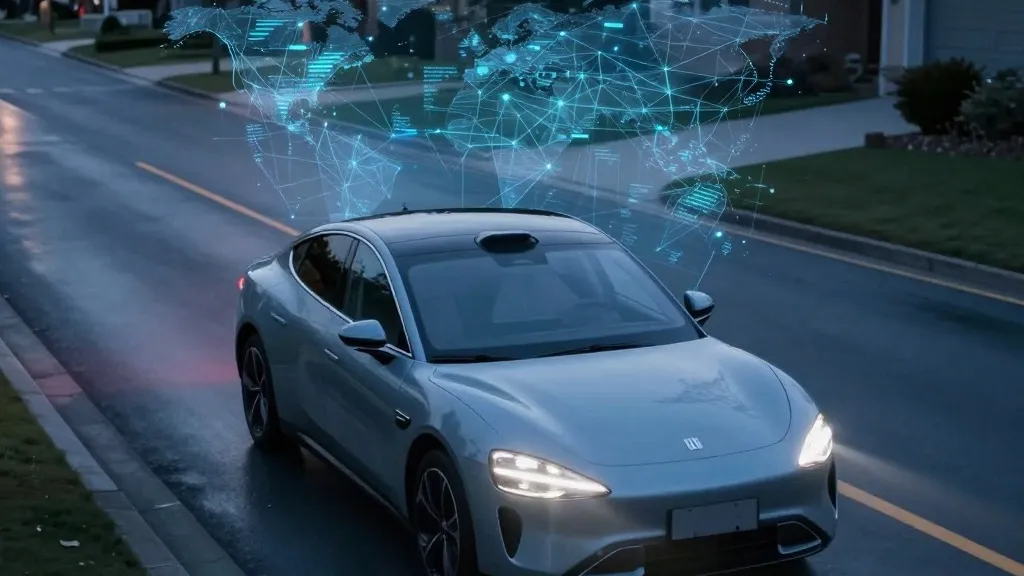
Regulators Propose Cyan Lights for Autonomous Vehicles
The federal agency has proposed a national standard for blue-green marker lamps to identify self-driving cars.
By Sofia Ramirez ·
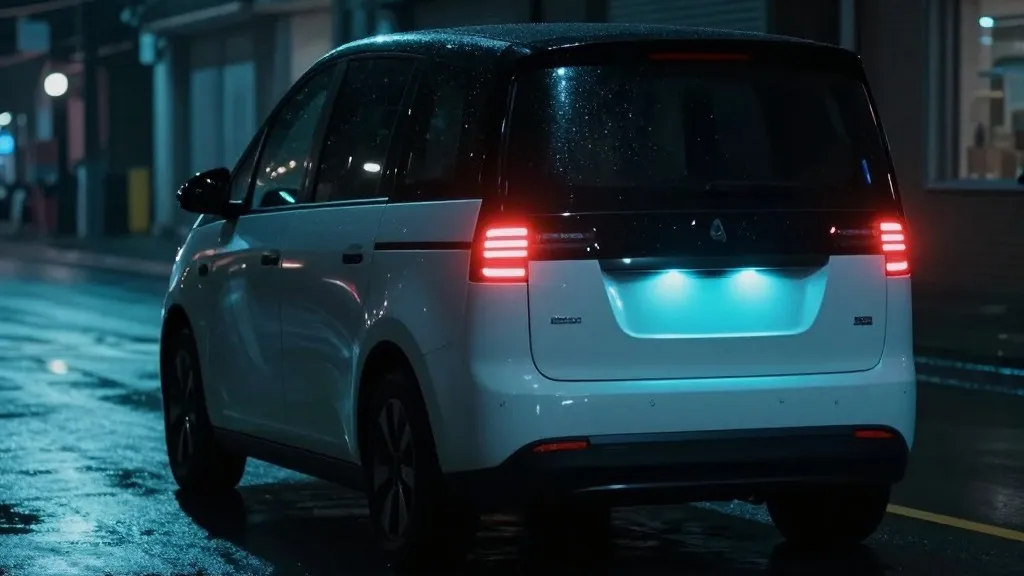
Autonomous vehicles seeking federal approval may soon be required to display a specific shade of blue-green light. The National Highway Traffic Safety Administration (NHTSA) has proposed revisions to Federal Motor Vehicle Safety Standard (FMVSS) No. 108 to address the visual identification of cars operating without a human driver. While the proposed marker lamps would not be mandatory for manufacturers, any company electing to install them must adhere to strict federal specifications regarding their color, brightness, and placement to ensure uniformity across the industry.
Regulators argue that a dedicated color is necessary to prevent confusion on the road. The agency states that cyan serves a specific purpose in the visual environment, as red, amber, white, and flashing blue/red are already designated for brakes, turn signals, headlights, and emergency vehicles. By reserving cyan for automated driving systems, the proposal aims to provide a clear signal to law enforcement and other road users when a vehicle is operating under computer control.
Beyond the lighting specifications, the proposed rule seeks to modernize vehicle construction standards for cars that lack traditional controls. The agency is moving to eliminate requirements for physical hazard switches, manual beam shifters, and turn levers, as these components are unnecessary in vehicles without a human driver. Additionally, the agency is considering removing regulations regarding the vertical positioning of high-beam lights and updating the 12.8-volt testing standard to accommodate modern LED architectures.
This initiative aligns with a broader push by the Department of Transportation to streamline the deployment of autonomous technology. The goal is to reduce administrative hurdles for manufacturers designing vehicles without steering wheels or pedals. Currently, the agency is working to establish a national standard that companies like Waymo, Nuro, Zoox, General Motors, and Mercedes-Benz can adopt uniformly. While Mercedes-Benz previously received state-level approval for turquoise lights on its Drive Pilot cars, the automaker has since abandoned that specific system in favor of a Level 2++ system.
Despite the push to relax certain manufacturing requirements, regulators emphasize that existing safety standards remain in effect. Last month, NHTSA opened an audit query into the Tesla Cybercab to examine the technical data and process used to certify the vehicle. This inquiry focuses on the absence of features currently required under FMVSS, including sideview mirrors, pedals, and a steering wheel.
The agency is currently seeking public comment on the proposed changes to FMVSS No. 108. The specific timeline for a final decision on the rule has not been established in the current proposal.
Source: The Verge