NASA's Artemis Moon Mission Now Hinges on 22 Starship Launches
A new internal estimate suggests twenty-two rockets are needed to fuel the lunar lander, raising concerns about the decade's timeline.
By Kateryna Melnyk ·
The path to the Moon just got a lot more crowded in orbit.
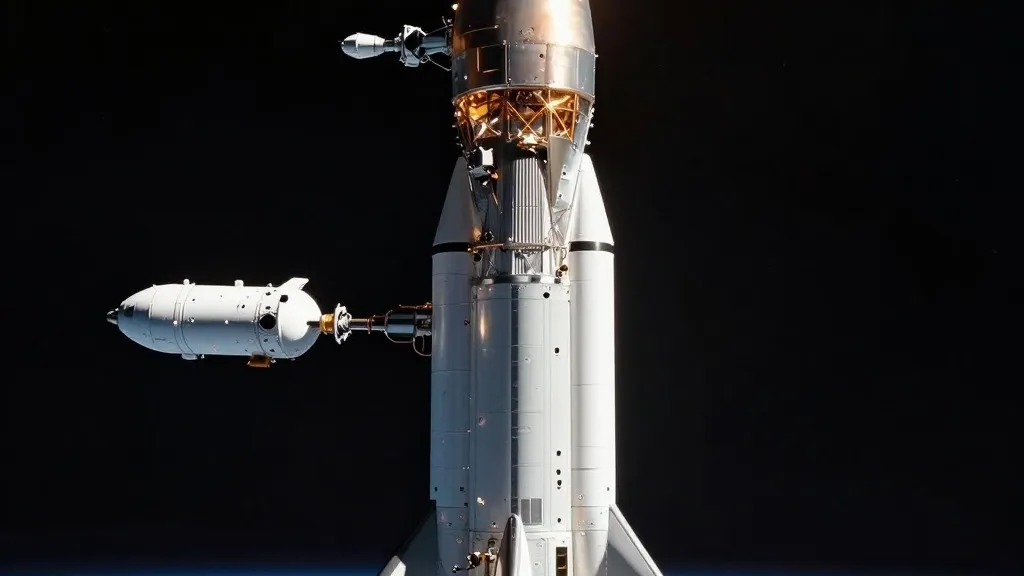
NASA has long treated the specific number of Starship launches required for a crewed lunar landing as a closely guarded secret. The agency has historically refused to commit to a precise figure, preferring to describe the requirement in vague terms. In 2023, Lisa Watson-Morgan, who was then the director of the Human Landing System, told reporters that the agency had a general idea but was reluctant to specify it. She later characterized the estimate as being in the high single digits to the low double digits. That range implied roughly a dozen flights. Under that scenario, SpaceX would need to launch one depot Starship and eleven tanker vehicles to fully load it with liquid oxygen and methane for the trip to the Moon. Other officials have suggested the number could be in the high teens. The underlying hope has always been that SpaceX would dramatically improve the lift capacity of Starship, thereby reducing the number of tanker flights needed.
However, a new internal estimate has surfaced that complicates that optimistic outlook. A recent analysis suggests that twenty-two launches are now required to support the mission. This figure marks a significant shift from the earlier, lower projections. The increase implies that the rapid improvements in rocket efficiency anticipated by some planners may not materialize quickly enough. If the number stays at twenty-two, the logistics of staging the mission in low-Earth orbit become substantially more complex. It also places a heavier burden on the launch cadence required to complete the mission within the target timeframe.
Concerns are growing among some NASA officials that these efficiency gains might not arrive soon enough. There is a fear that Starship may not play a meaningful role in returning humans to the Moon this decade if the launch count remains high. The stakes are high because the Artemis Program aims to land people on the lunar surface within this ten-year window. A higher number of launches increases the cumulative risk of failure and requires more time to complete the fueling sequence in orbit.
The new estimate was discussed during the quarterly meeting of the NASA Aerospace Safety Advisory Panel held this week. Panel member Charlie Precourt, a former NASA astronaut, spoke about the risks associated with the Artemis Program. He highlighted the challenges of landing humans on the Moon using the current hardware plans. The panel's focus on these specific numbers underscores how critical the launch count is to the overall safety and viability of the mission.
For now, NASA has not officially confirmed the twenty-two launch figure, but the discussion within the safety panel suggests it is the working assumption. The agency will likely continue to monitor SpaceX's progress closely. The next few months will be crucial as both organizations refine their plans. The goal remains the same: to send astronauts to the Moon and back. But the route to get there is becoming clearer, and it looks longer than previously hoped.
As the program moves forward, the focus will shift to verifying these new estimates. NASA will need to determine if further efficiency improvements are possible or if the timeline must be adjusted. The coming meetings will likely provide more insight into how the agency plans to manage this increased logistical complexity. For the astronauts who will eventually travel, the number of rockets in the background is a small detail, but for the engineers and managers, it is a giant hurdle.
Source: Ars Technica