Apple's 25 year old iPod revolutionized how New Englanders carry their music
A quarter century ago, a compact 399 dollar device from Cupertino changed the portable audio landscape forever.
By Isabella Morales ·
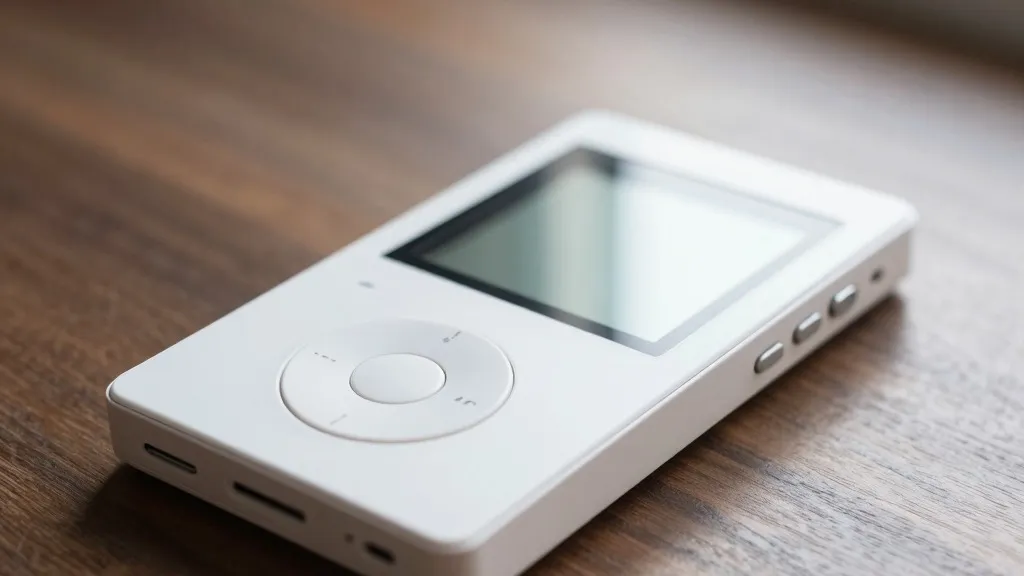
Apple introduced a device in 2001 that would define a generation of portable technology. Steve Jobs, then the chief executive of the Cupertino based company, revealed the first generation iPod to a waiting audience. He began his presentation by hinting at a breakthrough digital tool that was not a Macintosh computer. The reveal marked the start of a new era for personal audio, creating a product that many gadget enthusiasts considered their essential daily companion until smartphones eventually absorbed its function.
The pricing strategy was aggressive and clear. The device cost 399 dollars at launch. Its primary selling point was the ability to store an entire personal music collection in a pocket. The hardware supported five gigabytes of data storage. This capacity allowed users to carry one thousand songs on the go. Specifically, this referred to standard pop tracks encoded as MP3 files at a bitrate of 160 kilobits per second. Jobs emphasized that for the average user, this quantity represented their complete musical library.
The context for this launch was significant for the company. By October 2001, Jobs had guided Apple through a critical recovery period. The company had moved beyond its earlier beige hardware era into the Mac OS X period. Products like the iMac and iBook were selling well to consumers. This resurgence was happening during a challenging economic climate following the collapse of the dot-com bubble. Jobs envisioned the Mac computer as the central hub for a user's digital life, connecting various devices including cameras and video players.
The competitive landscape included established players like Sony and smaller firms such as Creative and Sonic Blue. Jobs acknowledged their presence but argued that none had found the right formula for digital music. At the time, the market offered four main types of portable audio solutions. These included standard CD players, MP3 CD players, flash memory players, and hard drive based units. Apple chose the hard drive approach as its entry point into the market.
The physical design of the player was a key differentiator. It measured 2.4 by 4 by 0.78 inches, roughly the size of a standard deck of playing cards. The weight was just 6.5 ounces, making it lighter than most mobile phones of that era. This compactness was made possible by a new ultra-thin hard drive from Toshiba. The drive was 1.8 inches in diameter and only 0.2 inches thick. This engineering allowed Apple to package a substantial amount of storage into a small, durable shell.
Connectivity and speed were major features of the new device. It used a FireWire 400 connection for data transfer and charging. Apple marketed it as the only music player with this specific connection type at the time. Jobs claimed that transferring a full CD of music to the device took only five to ten seconds. In comparison, USB connections required about five minutes for the same task. Filling the device with one thousand songs took approximately ten minutes via FireWire, whereas USB players could take five hours.
The user experience focused on simplicity and tactile feedback. The device featured a scroll wheel with a piezoelectric clicker that provided physical sensation during use. This allowed for quick navigation through playlists, artists, or specific tracks. The interface was designed for one-handed operation. During the unveiling, the first song played on stage was Building a Mystery by Sarah MacLachlan. The device also included a rechargeable lithium-polymer battery that provided ten hours of continuous playback. It could reach 80 percent charge in one hour.
Software integration was the final pillar of the strategy. iTunes 2 launched on the same day, featuring MP3 CD burning and syncing capabilities. The Auto-Sync feature ensured that music libraries curated on a Mac were always updated on the portable player. The iPod also functioned as a FireWire hard drive. The product line continued for many years, with the final model appearing in May 2019. Apple officially discontinued the line in May 2022, ending a run that lasted over two decades.
Source: Tom's Hardware