Space Force Declines Three SpaceX Contracts as European Rocket Nears Readiness
A strategic pivot in military launch procurement coincides with significant manufacturing milestones for Spanish and Canadian aerospace startups.
By Robert Hayes ·
A notable divergence has emerged in the commercial space sector, where SpaceX has formally declined three offered launch contracts from the United States Space Force. This decision marks a distinct separation between the company’s civil and military operations, occurring simultaneously with a critical safety review for its Starship program. While the refusal signals a shift in how the company allocates its heavy-lift capabilities, the broader industry continues to push forward with new entrants in the small and medium-lift sectors, creating a complex landscape of competition and regulatory scrutiny.
The current situation in the launch market reflects a period of significant restructuring. Following a series of updates released this week, it became clear that the Space Force had presented SpaceX with three specific opportunities for military payloads. The company’s response, characterized by a polite but firm rejection, suggests a deliberate strategy to maintain its focus on commercial and scientific objectives. This move stands in contrast to the ongoing preparations for the Starship vehicle, which faces its own set of technical hurdles regarding lunar logistics.
A NASA safety panel has recently assessed the requirements for Starship’s lunar landing capabilities, identifying a potential need for as many as 22 refueling operations. This figure underscores the complexity of the in-orbit propellant transfer technology required for future missions. The panel’s findings highlight the engineering challenges that remain before the vehicle can fully support deep-space exploration goals. These technical constraints are now central to the discussion surrounding the vehicle’s timeline and operational readiness.
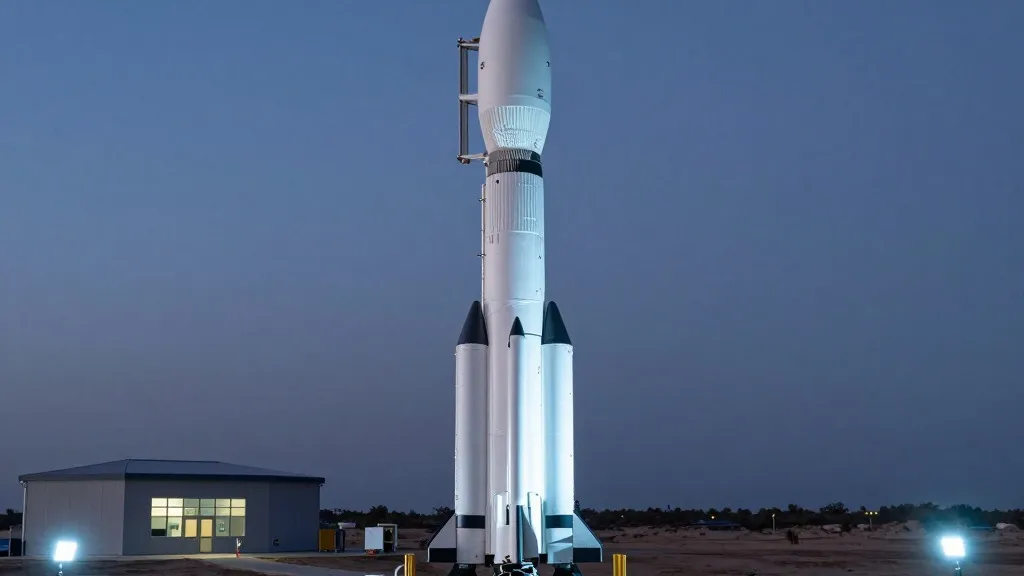
In Europe, PLD Space has indicated that its Miura 5 rocket is approaching the final stages of integration. The company confirmed that it has manufactured three units of the small-lift vehicle, with two already used to qualify key system elements. CEO Raúl Torres noted that this manufacturing approach has allowed the team to apply lessons learned from qualification campaigns directly to the launch vehicle. The first flight is now targeted for a date before mid-2027, moving the schedule closer to the previously planned window for next year.
The second stage of the Miura 5 is currently fully integrated and undergoing system-level testing at the company’s facility in Teruel. This phase includes a wet dress rehearsal and a static hot-fire test, conducted under conditions that represent actual operational scenarios. These tests are crucial for validating the performance of the rocket’s upper stage before the inaugural mission. The progress on this vehicle represents a significant step for Spain’s emerging space industry.
Across the Atlantic, Canadian startup Reaction Dynamics is seeking to raise $350 million to expand its workforce from 68 to over 350 employees. The company is developing the Aurora small-lift rocket, which it hopes will reach orbit by 2028. Additionally, Reaction Dynamics has announced plans for a medium-lift rocket named Borealis, with a debut targeted for 2031. This capital raise is intended to support the rapid growth of the team and the development of these dual-rocket programs.
Looking ahead, the space industry faces a period of intense activity. The next three launches on the calendar are already scheduled, with each mission offering a test of the new technologies being deployed. As SpaceX navigates its relationship with the military, and as startups like PLD Space and Reaction Dynamics push toward their respective milestones, the coming months will provide critical insight into the future of global launch capabilities. The convergence of these efforts suggests a rapidly evolving market where both established giants and new entrants are vying for dominance.
Source: Ars Technica