White House Pushes AI Giants to Share Energy Gains with Local Taxpayers
The administration is urging data center operators to return excess power and financial benefits to communities to offset rising utility bills and environmental costs.
By Jacob Leary ·
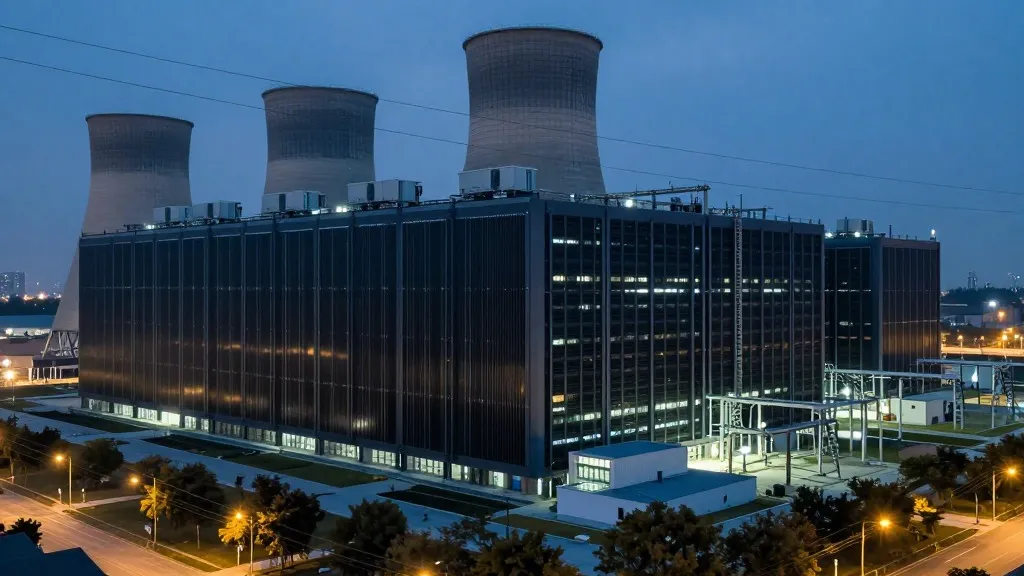
The White House is moving to force artificial intelligence data centers to share the economic burden of their massive energy consumption with local residents. President Donald Trump issued a directive on Truth Social on Tuesday, calling on data center builders and AI hyperscalers to pay a community dividend. This move aims to neutralize or even reverse the surge in electricity prices that often accompanies these facilities. The administration argues that this financial transfer will make the presence of these industrial giants more acceptable to the neighborhoods that host them.
The mandate goes beyond the previous administration’s order for these companies to generate their own electricity. Trump warned that operators must now either give away or sell any excess energy back to the local grid. This requirement is designed to ensure that the substantial power output of these facilities directly benefits nearby households rather than being absorbed entirely by the operators. By integrating this excess capacity into the local supply, the goal is to stabilize the regional energy market and prevent further spikes in consumer rates.
Local opposition to AI data centers has intensified across the United States due to their outsized impact on small communities. Residents frequently cite rising electricity costs, noise pollution, water shortages, and air quality concerns as primary grievances. Deforestation and other ecological changes have also added to the strain on these areas. The administration is keen to stay ahead of China in the global AI race, but it recognizes that winning back local favor is essential for continued expansion. The dividend proposal is a strategic effort to address the most visible pain point: the utility bill.
The proposed dividend may take the form of partial reimbursements for rising electricity costs, directly alleviating a burden that affects many homes in the vicinity. This aligns with a recently passed act that requires data centers to shoulder the cost of necessary grid upgrades. Previously, these infrastructure improvements were often funded by local taxes, but the new rule shifts that financial responsibility to the companies themselves. By combining these measures, the government hopes to create a more sustainable economic model for high-density computing sites.
In his post, the President highlighted the potential for improved public relations through financial agreements. “Data Centers that were highly unpopular in a certain area have become extremely popular when a financial deal is struck,” he wrote. He concluded with a call to action for developers: “MAKE DEALS, and get them built!!!” This statement underscores the administration’s desire to accelerate construction while simultaneously managing community relations. The emphasis is on practical deals that result in tangible benefits for the public.
Whether these dividends will be sufficient to win over skeptical communities remains uncertain. The economic aspect is only one facet of a complex issue. Enormous water consumption, ecological damage, and persistent pollution continue to pose major challenges that make AI data centers a difficult sell for many localities. While the financial incentives may help, they do not fully address the environmental footprint of these facilities. The administration faces the task of balancing rapid technological expansion with the long-term sustainability and quality of life for the communities that support it.
Source: Tom's Hardware